
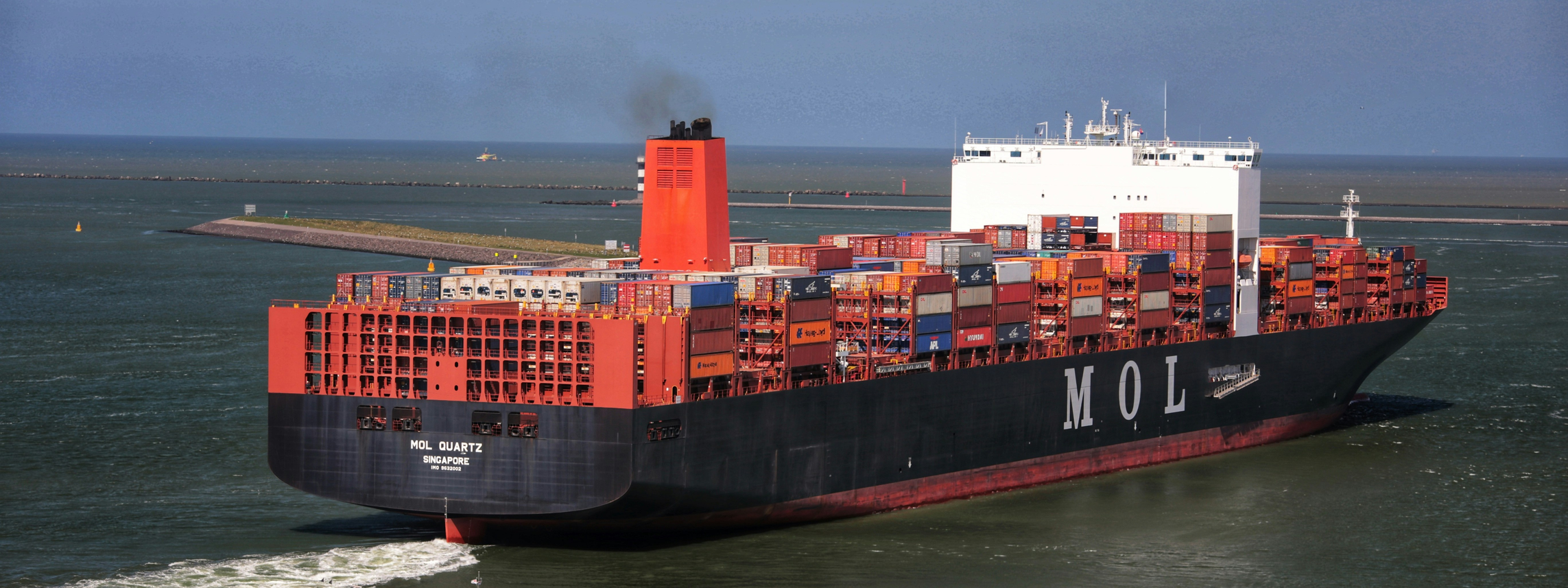
International Shipping & Logistics: What Every Small Business Should Know 🌍📦
Expanding into international markets opens new opportunities for small businesses — but shipping and logistics often feel like the trickiest part. Customs, delivery times, hidden costs… all of these can overwhelm first-time exporters. The good news? With some smart planning, you can reduce risks, control costs, and give your customers a smooth experience.
Here are practical, actionable tips to help you master international shipping:
💡 1. Compare Carriers & Shipping Methods 🚚✈️🚢
Not all couriers work the same way.
- Express couriers (like DHL, UPS, FedEx) → faster delivery (2–7 days) but higher costs.
- Postal services (like national posts) → cheaper but slower and less reliable tracking.
- Freight forwarders → good for bulk orders, they consolidate shipments and manage customs.
👉 Tip: Don’t choose only on price. Compare:
- Delivery times to your target markets
- Tracking visibility
- Customs clearance support
- Hidden fees (like “remote area surcharges”)
💡 Pro tip: If you’re in Africa or Asia, sometimes regional couriers (Aramex, Sendy, Jumia Logistics) offer better deals than global players.
2. Understand Customs, Duties & Taxes 📑
Customs delays are a top complaint from international buyers. The main reason? Incomplete or inaccurate forms.
👉 Tips:
- Always include HS codes (Harmonized System codes) — these are universal product classification codes.
- Provide a clear, honest product description (e.g. “100% cotton women’s t-shirt” instead of just “shirt”).
- Research “Delivered Duty Paid (DDP)” vs. “Delivered at Place (DAP)” — do you (the seller) cover duties, or will your customer pay them on arrival?
💡 Use tools like ITC’s Market Access Map to check tariffs, restrictions, and VAT rates in your destination country.
3. Offer Flexible Shipping Options 🛒
Customers want choices. For example:
- Economy shipping (10–20 days): cheaper, for price-sensitive buyers.
- Express shipping (3–7 days): more expensive, for urgent buyers.
👉 Tip: Display shipping times clearly on your website and include a delivery range instead of a fixed date (e.g. “5–7 business days”).
💡 Many SMEs lose customers at checkout because shipping costs were unclear — avoid surprises by showing costs upfront.
4. Packaging Matters — For Cost & Customer Experience 📦
Every extra gram adds to your shipping bill. At the same time, your products need protection.
👉 Tips:
- Use lightweight but durable packaging — think bubble mailers, corrugated boxes, or compostable alternatives.
- Avoid oversized boxes — couriers charge by volumetric weight (size, not just weight).
- Add fragile stickers or “this side up” labels for delicate products.
- Branded, eco-friendly packaging can also improve customer loyalty.
💡 Example: A soap seller can reduce costs significantly after switching from bulky boxes to padded envelopes.
5. Provide Tracking & Proactive Communication 📲
Buyers want to know where their package is at all times.
👉 Tips:
- Always send tracking numbers immediately after shipping.
- Use platforms like ShipStation, AfterShip, or EasyShip to integrate tracking directly into your e-commerce site.
- Send proactive updates if there’s a delay (customers prefer hearing from you before they ask).
6. Insure Your High-Value Shipments 🔒
Lost or damaged shipments happen — especially across borders.
👉 Tips:
- Check if your courier includes basic insurance (usually limited).
- Buy extra insurance for fragile or high-value goods (jewellery, electronics, art).
- Keep receipts and photos of packaged goods in case you need to make a claim.
7. Plan Your Returns Policy 🔄
Returns can be expensive internationally, but having no clear policy is worse.
👉 Tips:
- State clearly if you accept returns and under what conditions.
- Offer store credit or partial refunds instead of asking customers to ship back low-value items.
- For bigger businesses, explore local return hubs or partner with fulfilment centres in your top markets.
8. Consolidate Shipments When Possible 📦➡️📦
If you’re shipping multiple small orders to the same country, consolidation saves money.
👉 Tips:
- Work with freight forwarders or shipping aggregators who can group packages.
- Some platforms allow consolidation services for SMEs.
9. Factor in Seasonal Delays 🎄📆
Holidays, global events, and even bad weather can disrupt shipping.
👉 Tips:
- Warn customers in advance about holiday cut-off dates.
- Have a list of alternative routes or carriers if one service is disrupted.
- Track global logistics updates (the Universal Postal Union often shares disruptions).
10. Start Small, Test & Learn 🧪
International shipping is not “one-size-fits-all.”
👉 Tips:
- Start with 1 market, test delivery times and customer satisfaction.
- Collect customer feedback on packaging and delivery.
- Use that experience to scale up to more destinations.
Final Thoughts 🌍
International shipping can feel like a puzzle — but once you know the rules, it becomes a growth engine for your business. The keys are: choose the right partners, communicate clearly, optimise packaging, and prepare for customs.
💬 What’s been your biggest lesson (or headache!) when shipping internationally? Share your experience in the ecomConnect community — your insights could save another entrepreneur time and money.