

Sustainable E-commerce: Best Practices for Small Businesses
As small business owners in the e-commerce space, adopting sustainable practices isn't just about saving the planet—it’s a smart way to enhance your brand, attract more customers, and improve your bottom line. Today’s consumers are more conscious of the environmental impact of their purchases, and they’re increasingly choosing to support businesses that share their values. But where do you start? Here are some best practices for sustainable e-commerce that will not only help the environment but also give your business a competitive edge.
1. Eco-friendly Packaging: Simple and Smart
Packaging is one of the most visible aspects of your e-commerce operations, and it’s also one of the biggest culprits when it comes to waste. Small businesses have the advantage of flexibility, allowing you to quickly switch to eco-friendly packaging without the red tape that might slow down larger companies.
Best Practices:
- Opt for Recyclable or Biodegradable Materials: Instead of using plastic, consider switching to cardboard, paper, or biodegradable packaging. It’s a small change that can make a big difference.
- Use Minimal Packaging: Reduce the size of your packaging to avoid excess materials and shipping costs.
-
Offer Reusable Packaging: Encourage customers to reuse the packaging for returns or storage.
Marketing Tip: Showcase your sustainable packaging on your website and social media. Highlight how your brand is reducing waste, and encourage customers to recycle or reuse the packaging. You can even share behind-the-scenes photos of your team packing orders sustainably.
Example: A small brand like Wild Minimalist, which offers eco-friendly products, uses minimalist packaging made from 100% recycled paper. They feature their sustainable packaging prominently in their marketing, even using it in their unboxing videos to share the eco-friendly journey with their customers.
From The EcomConnect Community:
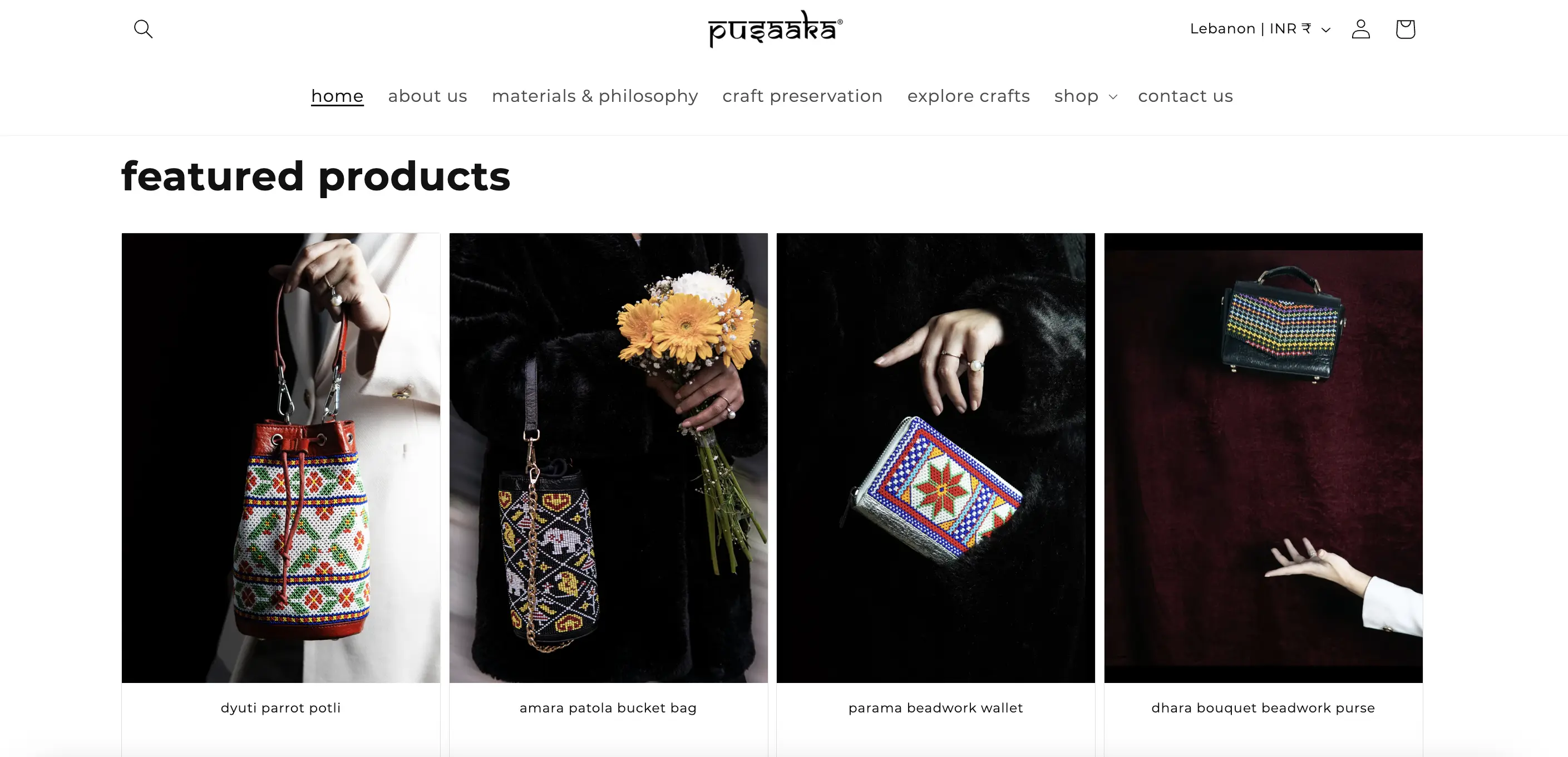
Pusaaka is a design-driven D2C brand committed to sustainability and the promotion of India’s crafts, especially those at risk of disappearing. By integrating modern design sensibilities with time-honored techniques, Pusaaka collaborates with artisans to transform heritage crafts into pieces that resonate with contemporary audiences. Their collection features functional, wearable art in home and accessory spaces—from meticulously handcrafted bags to thoughtfully designed lifestyle accessories—that are both visually compelling and environmentally conscious. Emphasizing biodegradable materials and the digitization of craft techniques, Pusaaka ensures that tradition evolves without compromise. Their limited edition bags are made from plant-based leathers, such as pineapple fibre leather and banana fibre leather, making their products unique and eco-friendly. Additionally, their packaging is sustainable and eco-conscious.
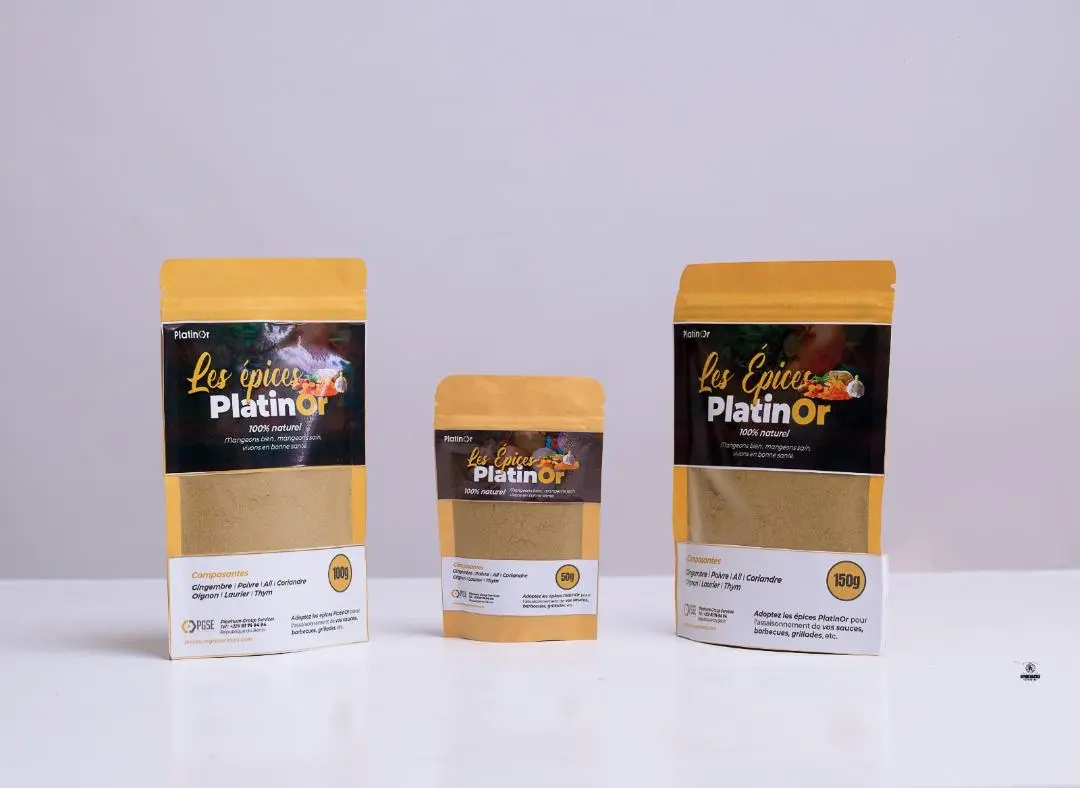
Another example from the ecomConnect Community is Platinum Group Services, which uses sustainable kraft paper packaging for their locally grown rice and ground spices. Their packaging is not only eco-friendly but also durable, reinforcing their commitment to sustainability in the packaging of food products.
2. Energy-efficient Shipping and Warehousing
Shipping is often the most carbon-intensive part of e-commerce, but you can still reduce your footprint with a few smart practices.
Best Practices:
- Use Local Fulfillment Centers: If possible, work with fulfillment centers closer to your customers to reduce the distance packages need to travel, which in turn reduces emissions.
- Offer Carbon-neutral Shipping: Partner with logistics companies that provide carbon offset options or integrate carbon-neutral shipping services into your checkout process.
-
Consolidate Orders: Whenever possible, try to bundle orders together to reduce the frequency of shipping, saving energy and resources.
Marketing Tip: If you offer carbon-neutral shipping, be sure to advertise it on your checkout page and through email campaigns. Customers appreciate knowing that their delivery is eco-friendly, and it can set you apart from competitors.
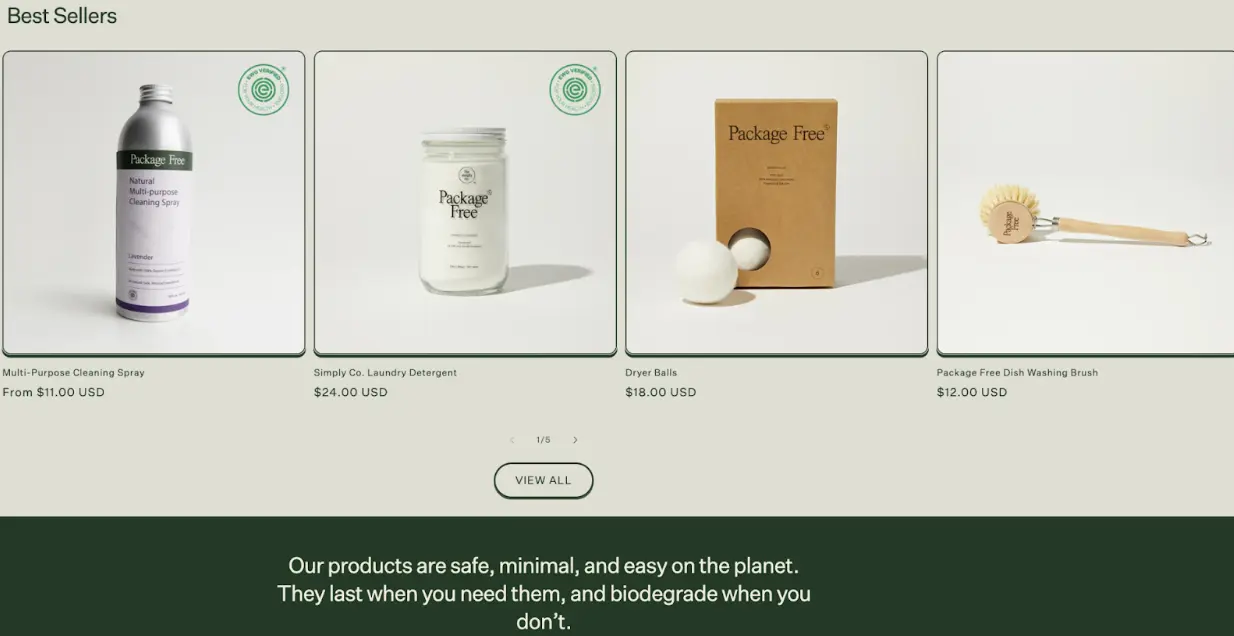
Example: A small business like Package Free Shop, which sells eco-friendly household goods, offsets the carbon emissions of their deliveries and actively promotes this to their customers through their website and social media channels, building trust and loyalty.
3. Sourcing Sustainable Products: Align Your Offerings
Your product choices can make a big difference in how sustainable your business is. Choosing eco-friendly, fair trade, or ethically sourced products not only supports sustainability but also attracts customers who care about these values.
Best Practices:
- Source Ethical and Eco-friendly Products: Partner with suppliers who are transparent about their sourcing and manufacturing processes. Look for organic, fair trade, and sustainably produced goods.
-
Support Local Producers: Where possible, source products locally to reduce transportation emissions and support small producers in your community.
Marketing Tip: Tell the story behind your products. Share how and where they’re made, and highlight the sustainable practices your suppliers use. Customers love to know the story behind their purchases, and it’s a great way to engage them on social media and your website.
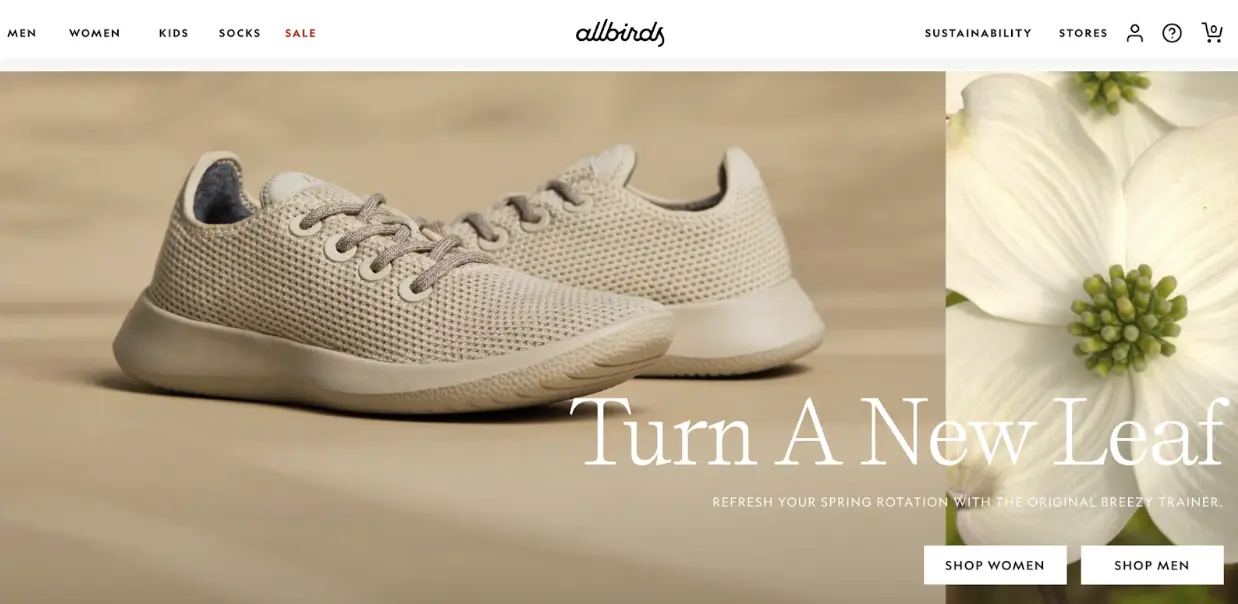
Example: Allbirds, a sustainable footwear brand, uses natural materials like merino wool and eucalyptus fibers in their shoes. They are transparent about their product sourcing and sustainability efforts, and they share this information through their marketing to show customers that their purchases make a difference.
4. Eco-friendly Website Design: Go Green Online
Did you know your website can have a carbon footprint too? Hosting and running a website uses energy, and optimizing it for sustainability can have a real impact.
Best Practices:
- Green Web Hosting: Choose hosting providers that use renewable energy or offer carbon-neutral services.
- Efficient Website Design: Make your website more energy-efficient by reducing its file size, optimizing images, and ensuring it loads quickly to reduce energy consumption.
-
Use Eco-friendly Fonts and Colors: Lighter website designs are less energy-intensive to load, so consider using a light background and simple designs.
Marketing Tip: Don’t be shy about your green website practices—let your audience know that you’ve chosen a green hosting provider or optimized your site to reduce its carbon footprint. This will help build your reputation as a business that takes its environmental responsibilities seriously.
5. Promote Your Sustainability: Market Your Efforts
Once you’ve implemented sustainable practices, it’s time to let your customers know. The way you communicate your sustainability efforts can greatly influence customer loyalty and trust.
Best Practices:
- Create a Sustainability Page: Add a dedicated page to your website that outlines all of your sustainability practices, from eco-friendly packaging to energy-efficient shipping.
- Share Your Efforts on Social Media: Use your platforms to highlight your commitment to sustainability. Share posts about your packaging changes, eco-friendly product lines, or initiatives like carbon offsetting.
- Offer Incentives for Green Choices: Encourage customers to choose eco-friendly options by offering discounts or rewards for selecting slower shipping, opting for minimal packaging, or donating to environmental causes.
Marketing Tip: Incorporate sustainability into your brand story. Highlight how your small business is making a big impact and invite your customers to be part of the change. Engage them with eco-friendly challenges, like reducing waste or supporting sustainable causes, and create a community around your brand’s mission.
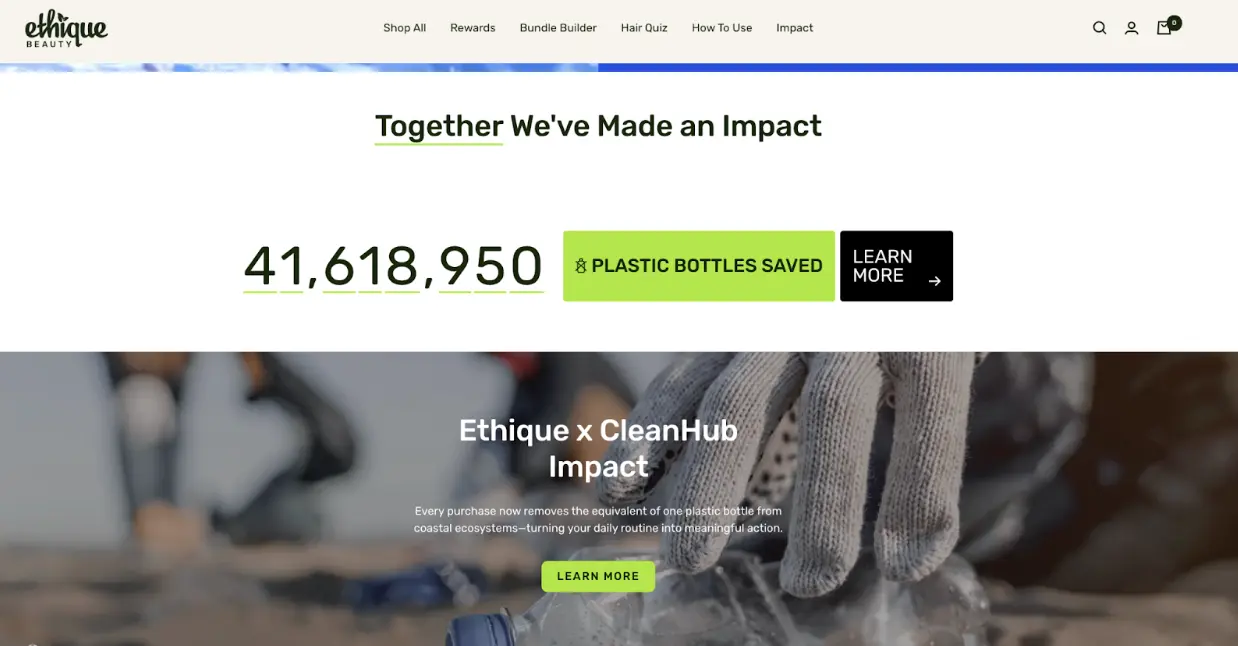
Example: Ethique is a beauty brand that actively markets its eco-friendly shampoos and beauty products, from their biodegradable packaging to their cruelty-free certification. They often share their sustainability efforts through fun social media campaigns, encouraging customers to share their own sustainable beauty routines.
6. Create a Subscription or Circular Economy Model
Subscription services or circular economy models are fantastic for reducing waste and offering customers a sustainable option for regularly used products.
Best Practices:
- Subscription Boxes: Offer products that are consumable (like soap, skincare, or food) in a subscription format to minimize overproduction.
-
Product Take-back Programs: Set up programs where customers can return used products for recycling or repurposing.
Marketing Tip: Position your subscription or circular economy offering as an easy way for customers to contribute to sustainability while enjoying the convenience of regular product deliveries.
Example: Loop is a circular shopping platform that partners with brands to offer reusable packaging. Customers can purchase products in refillable containers and return them for cleaning and reuse. This model has been a hit with eco-conscious customers and brands alike.
From The EcomConnect Community: Katies International Zambia is passionate about integrating sustainable practices into their operations, particularly through the use of eco-conscious packaging. Since 2013, they have transitioned from plastic carry bags to paper bags, and they are proud to have been one of the first companies in Zambia to take this step.
Additionally, they’ve recently launched a “Refillery” section in their store to further reduce plastic usage. Customers are encouraged to bring their own containers to refill products such as body lotions, body washes, and room and linen sprays. This initiative has been warmly received and continues to grow as part of their environmental commitment.
Conclusion: Sustainable Practices for a Profitable Future
As a small business owner, you have the flexibility to pivot quickly and adopt sustainable practices that can significantly benefit both the planet and your brand. By adopting eco-friendly packaging, sourcing sustainable products, and promoting your green initiatives, you can build a business that not only thrives but also contributes positively to the world.
Remember, sustainability isn’t just good for the environment—it’s also good for business. Customers are increasingly looking for brands that align with their values, and by highlighting your sustainable practices, you can build a loyal customer base that will support your growth for years to come.