

Your Customer Bought It. Now Help Them Use It
A good product can still create a disappointing customer experience if people don’t know how to get the best from it.
Sometimes the problem is very simple. Coffee is brewed with the wrong ratio. A skincare product is used in the wrong order. A handmade bag is cleaned with something that damages the material. A piece of equipment is set up incorrectly. In other cases, customers may be perfectly happy with what they bought but never discover half the ways they could use it.
Helping customers after they buy is often treated as customer service, something that happens when a customer has a question or something goes wrong. But it can be much more than that.
Good post-purchase content can help customers get better results from your product, avoid common mistakes, discover new ways to use it and keep it in good condition for longer. It can also reduce repetitive customer questions and give people another reason to return to your business.
So what could that look like in practice?
Help me get it right the first time
Some products require very little explanation. Others have a gap between buying the product and getting the result the customer actually wanted.
Pizza oven company Ooni is a great example.
Buying a pizza oven doesn’t automatically make someone good at making pizza. New customers still need to understand how to prepare the oven, make and stretch the dough, get the pizza onto the stone without it sticking, manage the temperature and know when it is ready.
Ooni has built extensive learning content around exactly these moments. Customers can select their specific oven and access getting-started information, recipes and videos. There is even a detailed guide specifically for making your first Ooni pizza.
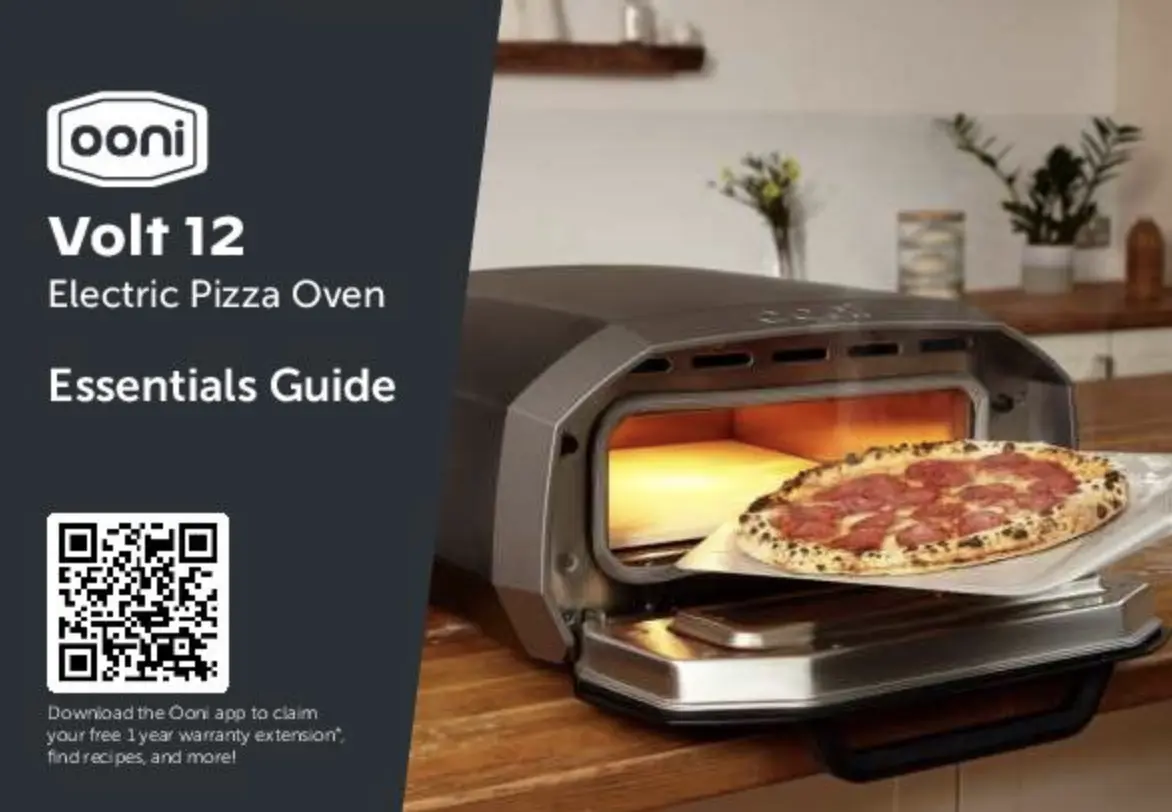
👉 Example: Ooni’s Learn hub / Make Your First Pizza guide
The important lesson isn’t that every business needs a large learning platform.
It is to identify the moment when your customer first needs to successfully use your product.
If you sell a kitchen appliance, perhaps it is the first setup. If you sell a craft kit, it might be completing the first project. If you sell a digital product, it could be completing the first task. If customers struggle at that first stage, a short video or simple guide could make a significant difference.
Ask yourself: What does success look like the first time someone uses my product, and have I helped them get there?
Show me how to get more from what i bought
Sometimes customers already know how to use the product. What they need is inspiration.
Grind, a UK coffee company, does this particularly well. Its website includes practical brewing guides for different methods, including French press, moka pot, AeroPress, V60 and espresso, alongside a collection of coffee recipes.
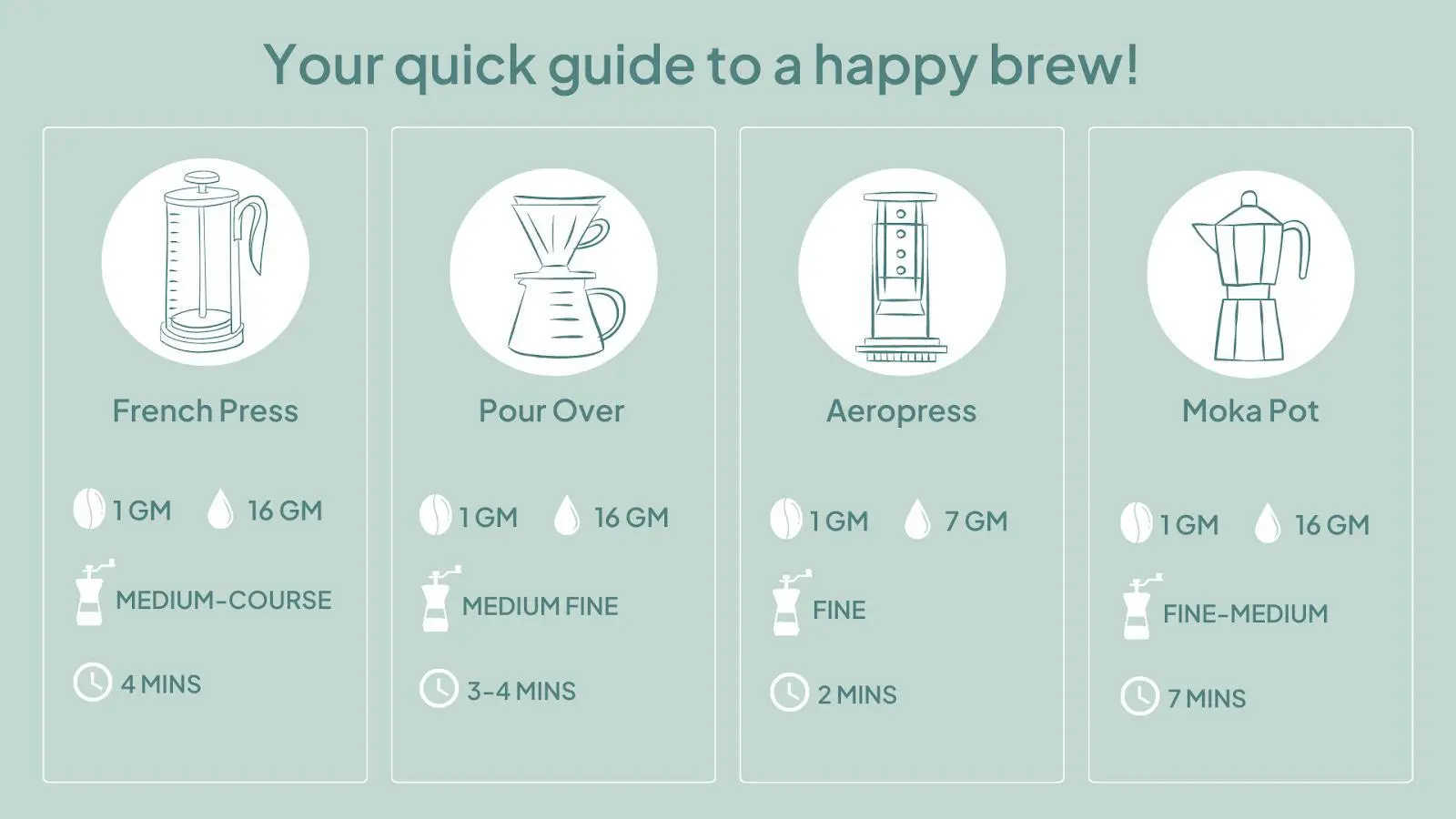
👉 Example: Grind’s How To Guides
This is a simple idea with applications far beyond coffee.
Imagine you sell spice blends. Instead of ending the customer relationship when the spices arrive, you could send three recipes that use them.
An olive oil producer could show different ways to use a particular oil beyond dressing a salad. A food producer could share serving suggestions. A cosmetics company could demonstrate three ways to use one product. A fashion business could show different ways to style the same piece.
This type of content also gives you something useful to send after the sale. Instead of another email asking the customer to buy something, you can help them enjoy what they have already bought.
Help me look after it
Post-purchase content can also answer questions that may not arise until weeks or months after the sale.
Made by Nette is a small handmade bag business that provides a good example of how simple this can be. Its Product Care Guide explains how to look after different materials used in its products, including fabric, leather, reclaimed materials and hardware.
For fabric bags, customers are told how to deal with marks and drying. Leather owners get guidance on moisture, sunlight and conditioning. The guide also explains that marks and variations in reclaimed materials can be part of the character of the piece rather than a defect.
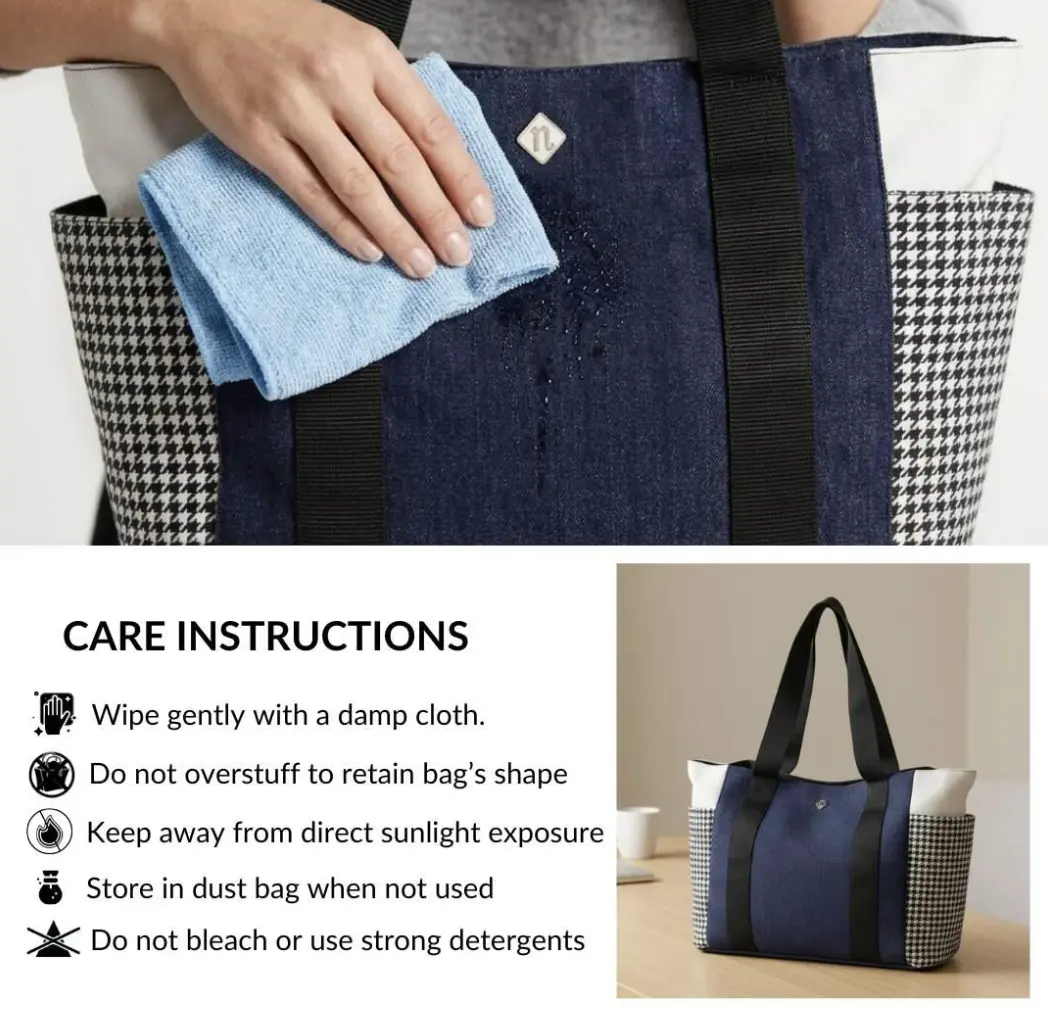
👉 Example: Made by Nette’s Product Care Guide
There is nothing technically complicated here. It is simply useful information placed somewhere customers can find it.
And this matters for the business too. If a customer damages a product because they didn’t know how to care for it, they may blame the quality of the product rather than the way it was maintained.
A jewellery maker could explain how to store and clean a piece. A clothing business could provide washing and storage guidance. A furniture maker could explain how to protect a particular finish. A leather goods business could tell customers what to do if their bag gets wet.
The question here is simple: What could your customer accidentally do that shortens the life of your product?
Tell them before it happens.
Help me when i get stuck
Useful post-purchase content doesn’t need to pretend everything will go perfectly.
In fact, some of the best content starts with the problems customers are most likely to encounter.
Ooni does this too. Its guidance doesn’t only explain the ideal pizza-making process. It addresses very practical problems such as dough sticking to the peel, holes appearing in the base and difficulties launching a pizza into the oven.
That is an important distinction.
A traditional instruction manual tells customers what they should do. Good post-purchase content also thinks about what they are likely to get wrong.
You probably already know those moments in your own business because customers keep asking you about them.
If five customers have contacted you to ask the same question, there is a good chance the sixth customer will have it too.
Instead of answering individually every time, turn the answer into something reusable: a short video, FAQ, image, troubleshooting guide or WhatsApp message.
Your customer gets help faster, and your team spends less time answering the same question.
Think beyond the first week
There is another opportunity that businesses sometimes overlook: the customer's needs change over the life of the product.
On the day a product arrives, they may need setup instructions.
A week later, they may want ideas for using it.
Several months later, they may want to know how to clean, maintain or repair it.
Eventually, they may need a refill, replacement part, complementary product or another version.
This means post-purchase content doesn’t have to be one instruction sheet placed inside a box. It can support different moments in the customer relationship.
For example:
When it arrives: How do I set it up or use it for the first time?
After I’ve used it a few times: What else can I do with it?
When something goes wrong: How can I fix the problem?
A few months later: How do I clean, maintain or store it?
When it starts running out or wearing out: What do I need next?
You don’t need content for every stage. The useful question is which of these moments matters most for your product.
"That's great, but I don't have Ooni's budget"
You don’t need it.
A useful post-purchase experience could be one 30-second video filmed on your phone. It could be a care card included in the package, a page on your website, an email sent a few days after delivery, a recipe, a downloadable guide or a WhatsApp message.
A QR code on your packaging can make this content easier to reach, but the QR code itself isn't the strategy. What matters is what your customer finds when they scan it.
The aim isn't to create more content for the sake of it. It is to answer a real question or solve a real problem at the moment your customer needs help.
Try this with your best-selling product
Choose one product and forget about marketing it for a moment.
Instead, think about what happens after someone owns it.
Ask yourself:
- What does the customer need to know immediately after opening or receiving it?
- What is the most common mistake they could make?
- What would help them get a better result from the product?
- What question might they have a few weeks or months later?
- Is there something else they could do with the product that they may not realise?
- What do customers repeatedly ask you about after buying?
Now look at the answers.
You probably don’t need six new pieces of content. Pick the most useful question and answer it well.
Create a short video. Write a care guide. Send a recipe. Add a troubleshooting page. Show three different ways to use the product. Include a simple card in the package.
Then pay attention to what happens. Are customers asking fewer questions? Are they engaging with the guide? Are they sharing what they make? Are they coming back for related products?
The sale may have brought the customer to your business, but the experience they have with the product is what they will remember.
You already made the sale. Now help your customer get the experience they thought they were buying.